

TELETHERAPY IN COLORADO
Therapy for Living with Neurological Illness
Specialized therapy for people living with life-changing neurological illness-and for the people who love and care for them.
Living with a neurological illness, or loving someone who is, can change so much.
Everyday life can start to feel taken over by symptoms, appointments, medications, procedures, and decisions.
Woven through it all are less visible changes — hard to name, even harder to talk about.
The emotions you carry.
The struggle to feel like yourself as abilities and familiar roles change.
Shifts in how you connect with the people you love.
The future you imagined.
Much of this unfolds quietly —
in uncertainty,
in shifting relationships,
in losses others may not see.
Neurological illness brings very real limitations and losses. As stress, emotional pain, and disconnection build around them, life can begin to feel smaller — and less like your own.
There are times when it matters to work with a therapist who understands this terrain.

There is a place for all of this.
Changes in your emotional life and relationships are not separate from the illness — they are part of living with it.
Palliative care therapy is specialized psychological care that brings these parts of your life into the same conversation, so what you’re experiencing, what is happening in your relationships, and what you're living with medically can be understood together — and responded to with care.

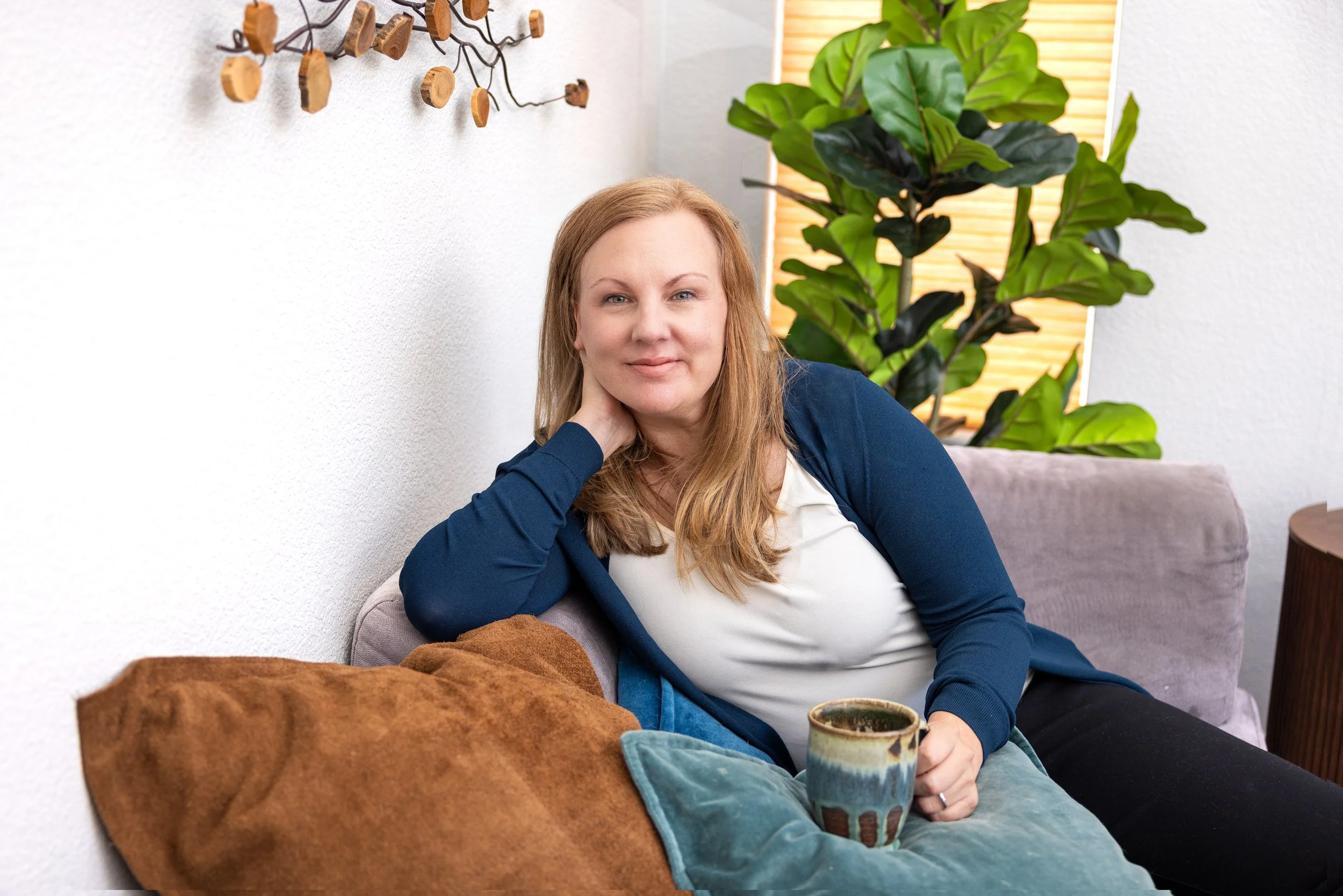
Welcome! I’m Dr. Nicole Sucre.
Long before I knew this work had a name, I was drawn to caring for people through the deeply human realities of serious illness — especially those that so often go unrecognized.
From the beginning, I believed deeply in the value of what illness-attuned support and guidance can offer as people continue to find themselves, one another, and meaningful ways of living with profound change.
That belief has guided nearly two decades of work as a palliative care psychologist and remains at the heart of the care I offer today.
This is the work that I love.
Kind Words



Begin with a conversation.
Finding the right therapist matters. If something in you senses it's time for more support as you live with a neurological illness, I invite you to schedule a free 20-minute phone consultation. We'll talk about what you're experiencing, answer your questions, and see whether working together feels like the right fit.